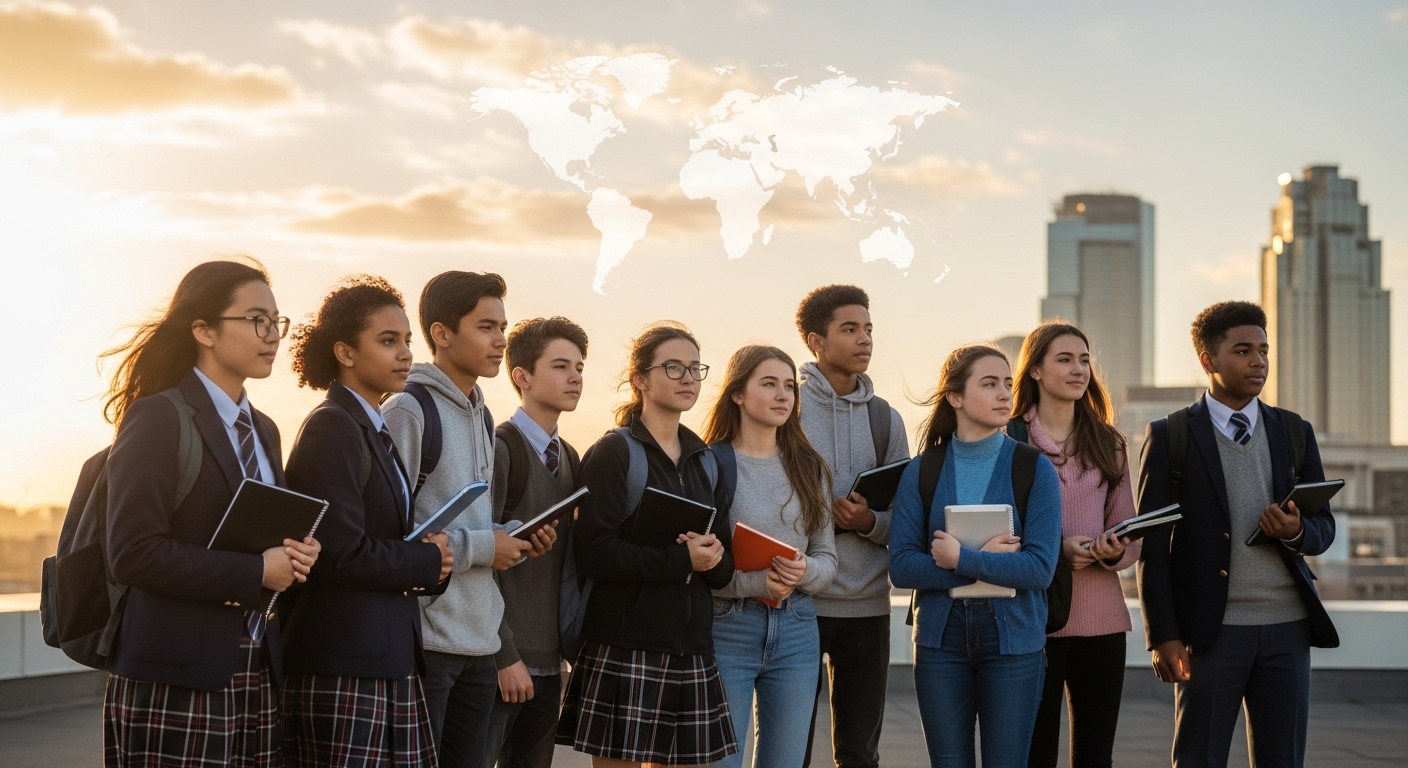
The world stands at a crossroads. Climate change, social inequality, geopolitical instability, and rapid technological disruption demand innovative solutions—and they demand them now.
At the center of this moment is youth leadership development. While global challenges may seem overwhelming, one of the most powerful forces for change is already emerging: young people equipped with the skills, confidence, and global perspective to lead.
The question is no longer whether students care about global issues. They do.
The real question is whether we are preparing them to act.
Why Youth Leadership Development Matters in a Globalized World
Today’s students are growing up in an interconnected world where decisions made in one country can affect communities halfway across the globe. Social movements, environmental crises, and international conflicts are no longer distant concepts—they are part of daily life.
Youth leadership development helps students move from awareness to action. It equips them with the ability to understand global systems, think critically about complex problems, and contribute meaningfully to solutions that extend beyond their local communities.
When young people are given the right tools, leadership stops being an abstract idea and becomes a practical, lived skill.
The Case for Youth Leadership Has Never Been Stronger
Young people bring perspectives that are essential for progress. They are digital natives who understand global connectivity intuitively. They are pragmatic idealists—motivated by values, but grounded in real-world problem solving. Most importantly, they are deeply invested in shaping a future they will inherit.
Youth-led movements in climate action, education access, and social justice demonstrate what is possible when students are empowered to lead. These examples are not exceptions. They are proof that when young people receive structured leadership training and meaningful opportunities, they become catalysts for change.
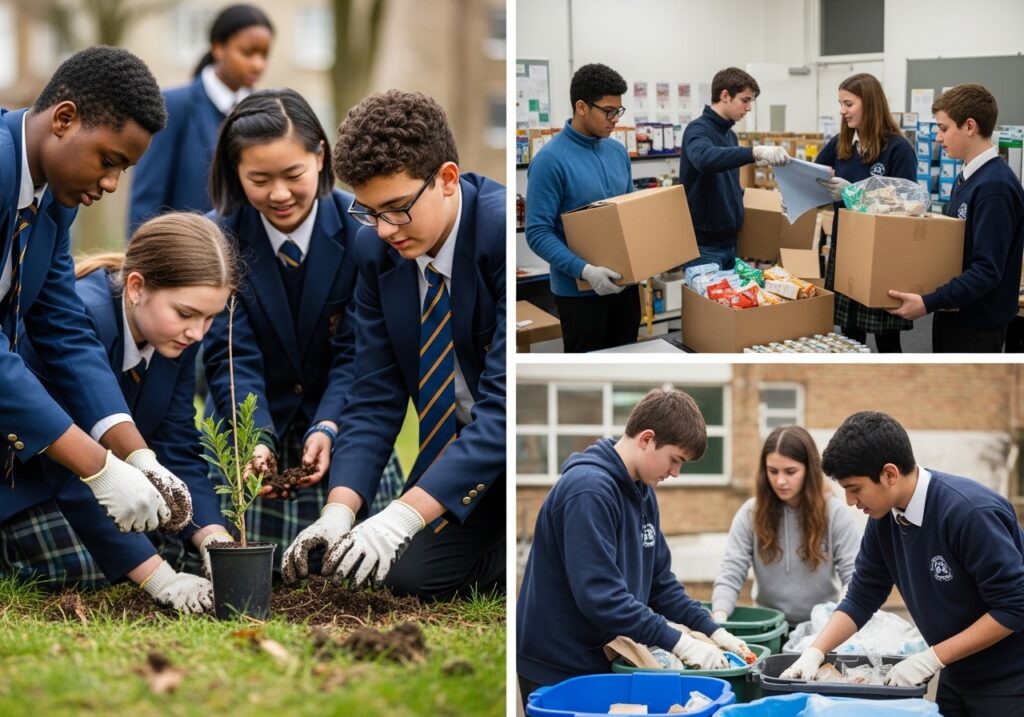
Through environmental action, community service, and sustainability efforts, young people demonstrate that leadership begins with meaningful, everyday contributions.
Youth leadership development is not about waiting for students to “grow into” leadership roles later. It is about recognizing their capacity to lead now.
Why Traditional Education Alone Isn’t Enough
Most school systems do an excellent job of teaching students about global issues. Far fewer teach students how to address them.
There is often a gap between knowledge and application. Students may learn about international organizations, sustainability goals, or political systems, but they are rarely taught how diplomacy works in practice—or how to negotiate, collaborate, and build consensus in complex environments.
Youth leadership development bridges this gap. It focuses on applied learning, helping students translate academic knowledge into real-world leadership skills that prepare them for global engagement.
Essential Global Leadership Skills for Students Today
Effective youth leadership development goes beyond traditional academics. To succeed in a global context, students need a well-rounded skill set that includes:
Diplomatic and negotiation skills
Students must learn how to navigate differing perspectives, build coalitions, and find common ground across cultures and interests.
Critical thinking and research skills
Global challenges are complex. Young leaders need the ability to evaluate information, analyze competing viewpoints, and develop evidence-based solutions.
Public speaking and advocacy
Ideas only create impact when they are communicated clearly. Leadership training helps students articulate their perspectives with confidence and purpose.
A global citizenship mindset
Understanding international systems, cultural differences, and global interdependence allows students to think beyond their immediate environment.
Collaborative problem-solving
The most pressing challenges of our time require teamwork. Youth leadership development emphasizes collaboration, adaptability, and shared responsibility.
Experiential Learning and the Future of Youth Leadership
Leadership cannot be learned through theory alone. Experiential learning plays a critical role in youth leadership development by allowing students to practice leadership in realistic, high-engagement environments.
Simulation-based programs that mirror international institutions give students firsthand exposure to global decision-making. By stepping into the roles of diplomats, policymakers, and advocates, students experience the challenges of negotiation, compromise, and strategic thinking.
These experiences build confidence. A student who has defended a policy position in a simulated international forum is far more prepared to engage in real-world discussions, leadership roles, and civic participation.
The Ripple Effect of Investing in Youth Leadership Development
When we invest in youth leadership development, the impact extends far beyond individual students. Strong leadership training creates a ripple effect that benefits entire communities.
Young leaders become:
- Change agents within their schools and peer groups
- Informed citizens who engage thoughtfully with global and local issues
- Mentors who inspire younger students to lead with purpose
- Future professionals who bring ethical leadership into their careers
The long-term value of youth leadership development lies not just in who students become—but in how they influence others along the way.
Why the Urgency Is Now
Global challenges are accelerating. Climate change, inequality, and international conflict cannot wait for the next generation of leaders to “grow up.”
The leaders we need are already in classrooms today. Empowering them now accelerates progress and strengthens our collective ability to respond to global challenges with insight, empathy, and collaboration.
Youth leadership development is not about placing pressure on young people. It is about supporting the leadership potential they already demonstrate and giving them the tools to succeed.
Preparing Students for Leadership Starts Today
Leadership development begins with a simple shift in mindset: recognizing that leadership is not something students do someday—it is something they can begin practicing now.
Whether through experiential learning programs, community engagement, or global simulations, every opportunity to develop leadership skills is an investment in a more informed, capable, and resilient future.
Programs like the United Nations Advanced Training (UNAT) exemplify this approach by combining Model UN simulations with leadership and diplomacy training. Through hands-on engagement with global issues, students gain the confidence to see themselves not just as learners—but as participants in global change.
The Bottom Line
Youth leadership development is no longer optional—it is essential.
Today’s students are not just future leaders. They are present-day thinkers, advocates, and problem-solvers who need structured guidance, real-world experience, and trust in their ability to lead.
The question for educators, parents, and communities is simple:
Will we equip young people with the skills to address global challenges—or continue teaching them about problems without showing them how to solve them?
The urgency is real. The potential is enormous.
And the next generation of global leaders is already here.